

Hosting a big conference in London or a virtual meetup across North American time zones, you know that event marketing means more than filling a room. Growth-focused B2B campaigns depend on memorable interactions that drive real pipeline, not just names in your CRM. As digital fatigue grows worldwide, events deliver those face-to-face moments and intent signals you cannot replicate online. Learn what transforms events into a true growth lever for measurable impact.
Table of Contents
- Defining Event Marketing as a Growth Lever
- Types of B2B Events and Their Impact
- Capturing and Measuring Intent Signals
- Integrating Events With Revenue Teams
- Avoiding Common Event Marketing Pitfalls
Key Takeaways
| Point | Details |
|---|---|
| Event Marketing as a Strategic Channel | Events are crucial for building relationships and generating intent signals that directly impact sales and revenue. |
| Tailoring Event Types to Goals | Different types of events serve unique purposes; choosing the right format is essential for aligning with business objectives. |
| Capturing Intent Signals | Tracking real-time engagement and intent during and after events is vital for effective follow-up and conversion. |
| Integration Across Teams | Successful events require collaboration between marketing, sales, and revenue operations to maximize impact and ROI. |
Defining Event Marketing as a Growth Lever
Event marketing isn't just about hosting conferences or trade shows anymore. It's a strategic growth channel that directly connects to pipeline and revenue—not a logistics exercise.
At its core, event marketing transforms attendee behavior through direct experiences that build brand loyalty and purchase intent. Unlike passive digital touchpoints, events create memorable interactions where prospects actually engage with your solution.
Here's what makes events a legitimate growth lever:
- Direct access to decision-makers who are difficult to reach through email or LinkedIn
- Personal relationships built through face-to-face conversations, not cold outreach
- Hands-on product experience where prospects can see, touch, and understand your value proposition
- Multi-touchpoint engagement combining pre-event content, live interactions, and post-event follow-up
The post-pandemic event market has evolved significantly. Events now fill a critical communication gap created by digital oversaturation. Your prospects are drowning in emails and ads. Events give them permission to step away and engage in meaningful conversations—with you and your competitors.
B2B tech companies that treat events as a first-class growth channel see measurable results. The key difference: they track intent signals from events, understand who matters, and connect those signals directly to sales workflows.
Event marketing works because it addresses what digital channels can't deliver: genuine human connection and real-time intent indicators. A prospect walking your booth, asking specific questions about your pricing model, or staying through your technical deep-dive is showing intent your CRM can't capture from a form submission.
The challenge most teams face is visibility. You run an event, collect business cards, send a generic follow-up email, and lose track of who actually mattered and why. That's where event-to-pipeline accountability becomes critical.
Events generate measurable growth when you capture and act on real intent signals—not just attendee counts or impressions.
Pro tip: Before your next event, define what "success" looks like for your specific business goal—whether that's pipeline generation, customer expansion, or competitive displacement—then instrument your event to capture the intent signals that prove you delivered it.
Types of B2B Events and Their Impact
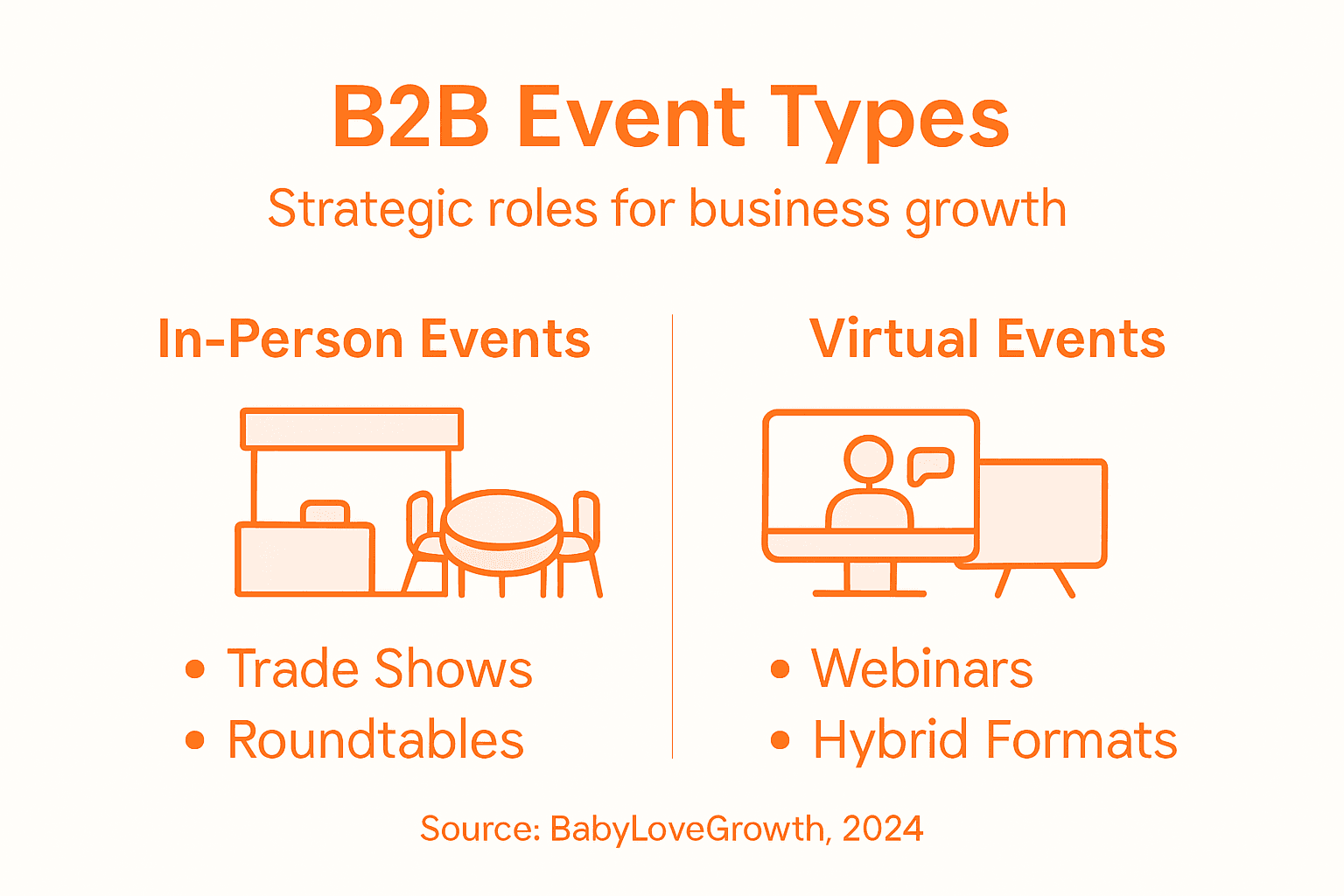
Not all events serve the same purpose. Different event formats drive different outcomes, and matching the right event type to your growth goal is critical.
Understanding various event types and formats helps you allocate budget and resources strategically. Each format creates distinct opportunities for engagement and intent capture.
Here's how the major B2B event types break down:
Trade Shows and Conferences
These are high-volume touchpoint events where you compete for attention among dozens of competitors. Trade shows attract broad audiences but require strong booth presence and qualified lead capture.
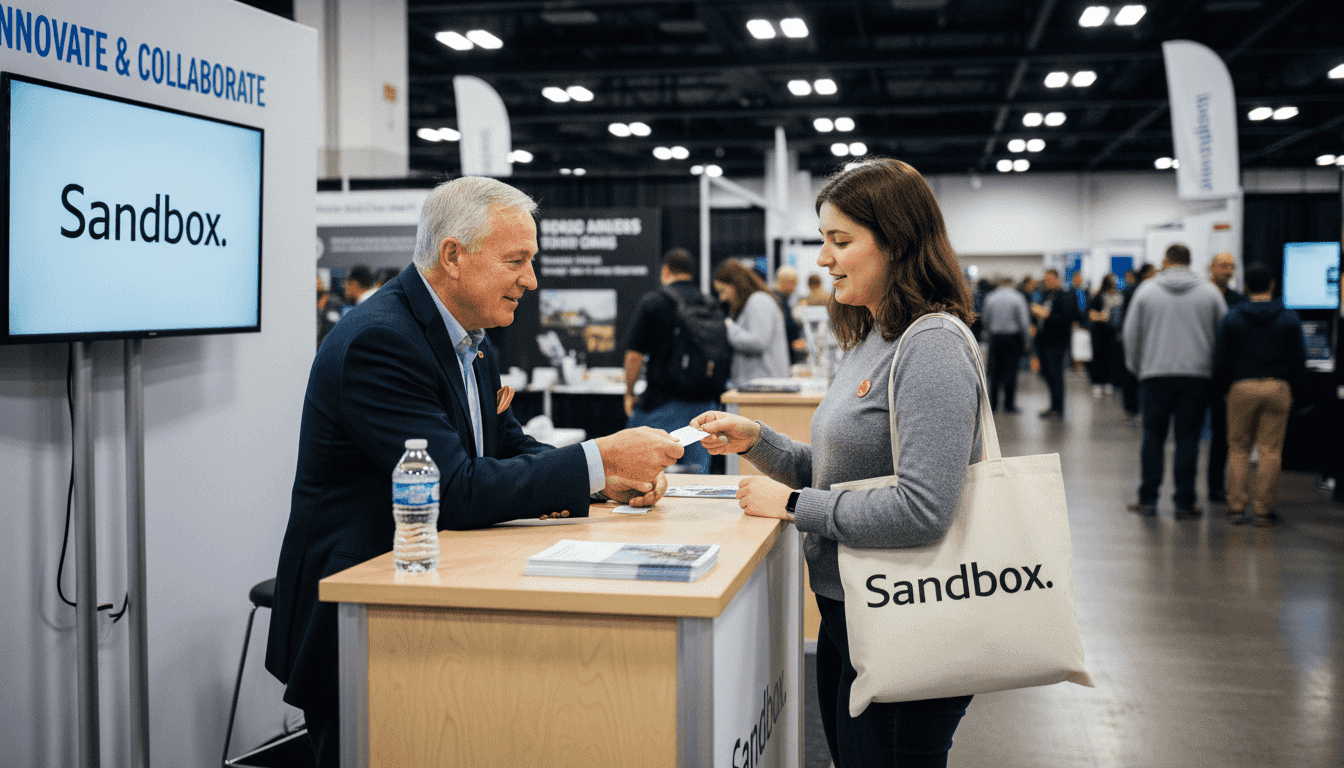
Confferences draw more targeted attendees focused on specific industry challenges. The networking sessions and breakout talks create natural conversation starters with prospects.
Roundtables and Mastermind Events
Smaller, more intimate gatherings create deeper engagement. Roundtables position you as a thought leader while building genuine relationships with senior decision-makers.
These events typically produce fewer leads but higher-quality connections. The conversations are substantive rather than surface-level.
Webinars and Virtual Events
Virtual formats remove geographic barriers and reduce attendance friction. Prospects can join from anywhere, which increases overall attendance but may dilute intent signals.
Hybrid events combine in-person and online attendance, maximizing reach while still capturing the energy of live interaction.
Customer and Partner Events
These focus on retention and expansion rather than new customer acquisition. User conferences, advisory boards, and customer summits deepen existing relationships and generate case studies.
Partner events build channel momentum and create joint go-to-market opportunities.
Executive Forums and VIP Experiences
Exclusive, invitation-only events attract C-level attendees and create premium positioning. These require lower volume but drive high-value conversations.
The smaller attendee count means deeper one-on-one time and more qualified pipeline opportunities.
Here's a comparison of common B2B event types and their ideal business use cases:
| Event Type | Audience Size | Primary Goal | Best For |
|---|---|---|---|
| Trade Shows & Conferences | Large | Lead generation | Broad awareness, networking |
| Roundtables & Masterminds | Small | Deep engagement | Thought leadership, relationship building |
| Webinars & Virtual Events | Medium to large | Education | Scalable reach, low friction |
| Customer & Partner Events | Medium | Retention | Upselling, loyalty, partnerships |
| Executive Forums & VIP Experiences | Small | Qualifying pipeline | High-value deals, exclusivity |
Here's what separates high-impact events from forgettable ones:
- Clear objective aligned to your quarterly growth target
- Pre-event qualification so you know who matters before they arrive
- Structured interactions that capture intent signals during the event
- Immediate follow-up within 24 hours while momentum is fresh
Choose event types based on your goal: volume-driven leads need trade shows; relationship-driven growth needs roundtables; retention strategies need customer events.
Pro tip: Map your annual event calendar by mixing event types—use large conferences for broad awareness, roundtables for relationship building, and customer events for expansion revenue—then assign specific pipeline targets to each so you can measure ROI by event type.
Capturing and Measuring Intent Signals
Attendance numbers are vanity metrics. What actually matters is intent—the real signals that tell you who's ready to buy and why.
Most event teams measure attendance, booth traffic, or business cards collected. These metrics don't tell you anything about actual buyer interest or pipeline potential.
Intent signals are behavioral indicators that reveal genuine prospect engagement. They answer the critical questions: Who spent real time at your booth? Who asked about pricing? Who stayed through your entire technical demo?
Measuring event effectiveness requires capturing engagement beyond attendance metrics. Involvement, interaction, and immersion reveal emotional and behavioral impact—not just headcount.
Here's what actually matters to track:
During the Event
- Booth time spent by individual prospect
- Specific questions asked about your solution, competitors, or implementation
- Content consumed (which breakout sessions, demos, or materials)
- Conversations initiated about pain points or timelines
- Competitive context mentioned during interactions
Post-Event Signals
- Follow-up email opens and response rates
- Website visits from attendees within 48 hours
- Content downloads after the event
- Demo or call requests immediately following
- Continued engagement with your sales team
The gap between good events and great ones is data capture infrastructure. You can't act on intent signals you don't record.
Most teams rely on manual notes, spreadsheets, or CRM fields filled out days later. By then, the context is gone. You've lost critical details about what the prospect said, their urgency level, or their competitive situation.
Structured intent capture means recording specific behaviors in real time. Did they ask about your integrations? Note it. Did they mention a competitor? Capture it. Did they say they're evaluating in Q2? Log the timeline.
Then, map these signals to your sales process. A prospect who spent 20 minutes at your booth, asked three technical questions, and mentioned a Q2 timeline is pipeline-ready today. Someone who grabbed a brochure and left deserves a nurture sequence, not immediate outreach.
Intent signals only drive revenue when you capture them immediately and route them to the right sales action—within hours, not weeks.
Pro tip: Equip your booth team with a simple tracking system (tablet, app, or form) to log each prospect conversation with specific details: questions asked, timeline mentioned, competitive context, and next steps—then funnel high-intent signals directly to your sales team before the event ends.
Integrating Events With Revenue Teams
Events fail when marketing runs them in isolation. The teams closing deals—your sales, customer success, and revenue operations leaders—need to be integrated from day one.
When sales isn't involved in event planning, you get marketing theater instead of pipeline. When revenue operations isn't tracking event outcomes, you have no way to measure ROI or improve.
Integration means shared ownership and aligned incentives across departments. Everyone rows in the same direction toward the same growth target.
Building relationships with decision-makers through events requires sales involvement before, during, and after the event. Your sales team knows which prospects matter most and what conversations drive deals forward.
Here's what integration looks like in practice:
Pre-Event Planning
- Sales identifies target accounts and key stakeholders to prioritize
- Revenue ops defines pipeline contribution targets for the event
- Marketing and sales jointly plan booth messaging and demo flows
- Sales preps specific talking points for high-value accounts
During the Event
- Sales team members staff the booth alongside marketing
- Real-time intent signals flow directly to account executives
- Sales captures conversation context and next steps immediately
- Account executives can follow up same-day on hot leads
Post-Event Handoff
- Event attendees get routed to assigned account executives within hours
- Intent data connects to opportunities in your CRM
- Sales knows exactly why each lead matters and what to say
- Revenue ops tracks event pipeline contribution toward quota
The biggest mistake teams make is treating the event as a marketing lead-gen exercise. Those leads sit in a spreadsheet for a week. By then, urgency is gone.
When sales owns the follow-up within hours, conversion rates jump dramatically. A prospect who spent 30 minutes discussing your technical architecture with your sales engineer at the booth gets a call from their assigned AE that same evening—not a generic email two weeks later.
The table below summarizes critical post-event follow-up actions and their influence on sales outcomes:
| Action Step | Timing | Impact on Pipeline | Risk if Delayed |
|---|---|---|---|
| Personalized follow-up call | Within 24 hours | Higher conversion | Lost momentum, lower conversion |
| Sales assignment of leads | Immediate | Faster engagement | Missed opportunities |
| Intent data logging | Real time | Informed outreach | Loss of valuable context |
| Nurture sequence for low intent | After event | Pipeline buildup | Leads go cold |
Revenue operations plays a critical role here too. They own the playbook: which event signals route to which sales teams, what follow-up sequence triggers, how pipeline is attributed to the event, and whether events are actually moving quota.
Without this infrastructure, events become a cost center that marketing defends every budget cycle.
Events become revenue drivers when sales owns the follow-up, revenue ops tracks pipeline contribution, and marketing provides the infrastructure to capture and route intent signals instantly.
Pro tip: Before your next event, create a single shared document with sales and revenue ops that defines: target accounts to prioritize, pipeline dollar targets, real-time lead routing process, follow-up SLAs (within 4 hours), and how event pipeline gets tracked—then hold a pre-event sync to ensure everyone knows their role.
Avoiding Common Event Marketing Pitfalls
Event marketing is littered with preventable mistakes. Understanding what fails most often helps you allocate resources smarter and avoid wasting budget on activities that don't drive growth.
The most dangerous pitfall is treating events as standalone campaigns. When events aren't integrated into your broader marketing and sales strategy, they become disconnected activities that don't compound with other growth efforts.
Common event marketing challenges include insufficient budgets, staffing gaps, and difficulty demonstrating ROI. Many teams also struggle to attract the right attendees and engage audiences effectively.
Here are the pitfalls destroying event ROI:
Poor Attendee Targeting
You host a massive event but attract the wrong people. Volume doesn't equal value. Fifty qualified prospects beats 500 tire kickers.
Qualify attendees aggressively pre-event. Use registration questions to identify job title, company size, budget authority, and timeline.
Weak Post-Event Follow-Up
The event ends and leads go into a nurture sequence that takes weeks. By then, momentum is lost. Prospects have forgotten your conversation.
Own the follow-up within 24 hours. Sales should reach out same-day with specific context from the conversation.
No Data-Driven Measurement
Failing to leverage data analytics and personalization undermines event effectiveness. Many teams can't connect event attendance to pipeline or revenue, so they can't justify next year's budget.
Track intent signals from day one. Log conversations, questions, and timelines during the event so you have the data to prove ROI.
Underinvestment in Technology
You're still using Excel spreadsheets and manual CRM entry. Your team can't capture intent in real time because the infrastructure doesn't exist.
Invest in a system that captures conversation context instantly and routes leads to sales automatically.
Treating Virtual and In-Person Equally
Hybrid events require different strategies. Virtual attendees have lower intent and higher fatigue. In-person attendees show up because they're serious.
Differentiate your follow-up and measurement by event format.
Missing Clear Event Objectives
You run events but never defined what success looks like. Is it pipeline? Customer expansion? Competitive displacement?
Without a specific goal, you optimize for the wrong metrics.
The teams winning with events share one thing: they've removed friction from the intent-to-action workflow. They capture signals instantly, route them intelligently, and measure relentlessly.
Events fail when teams treat them as marketing exercises. They succeed when sales owns the follow-up, revenue ops tracks contribution, and data guides every decision.
Pro tip: Run a post-mortem on your last three events: analyze which attendees actually progressed to pipeline, what conversations preceded those conversions, and what you missed—then use those patterns to tighten targeting and messaging for your next event.
Unlock Event Marketing as a True Growth Engine
The article highlights the key challenge many teams face: capturing real intent signals during events and connecting them immediately to sales actions for measurable pipeline growth. If you struggle with post-event follow-up delays or rely just on attendance numbers instead of meaningful engagement data, you are not alone. Your goal is clear: transform high-touch moments into actionable insights that drive revenue—not just generate leads.
Sandbox turns these high-intent event moments into measurable Go-To-Market signals. We help your team discover who to prioritize, why they matter, and what next step to take by capturing real-time intent across meetings, content, and live interactions. Our platform bridges the gap between marketing, sales, and revenue operations so events become an accountable growth channel with clear pipeline attribution.
Take control of your event marketing success now with Sandbox.
Explore how Sandbox’s opinionated GTM workflows and hands-on execution deliver demand generation, accelerate conversions, and connect event activity directly to revenue. Whether planning trade shows, roundtables, or executive forums, our system ensures your events are not just memorable but measurable. Discover more at Sandbox website and see why leading B2B teams trust Sandbox to capture intent signals that turn events into real growth drivers.
Frequently Asked Questions
What is the primary purpose of event marketing?
Event marketing serves as a strategic growth channel that connects directly to pipeline and revenue by creating memorable interactions with prospects, thus enhancing brand loyalty and purchase intent.
How should businesses measure the effectiveness of their events?
Businesses should focus on capturing intent signals, such as specific questions asked by prospects, time spent at booths, and post-event engagement metrics, rather than just attendance numbers.
What types of events are most effective for B2B marketing?
Trade shows, conferences, roundtables, webinars, and customer events all serve different purposes. Trade shows generate leads, while roundtables foster deeper engagement with decision-makers.
How can companies ensure successful follow-up after an event?
Companies should follow up with leads within 24 hours of the event, using specific details from their conversations to personalize outreach. This helps maintain momentum and capitalizes on collected intent signals.