
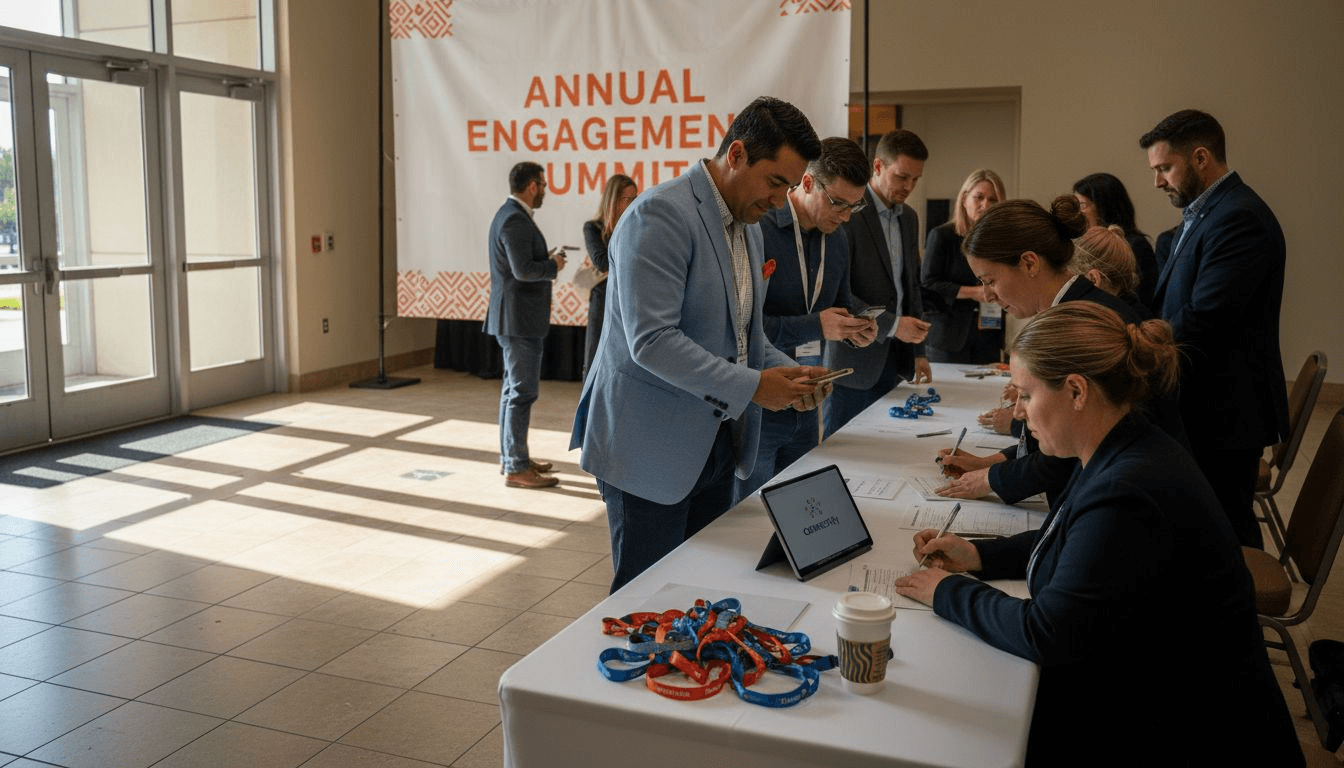
You spent months planning the perfect event. Attendance was strong, sessions went smoothly, and feedback looked positive. Yet weeks later, you're staring at disappointing conversion numbers and scattered follow-up attempts. The gap between event execution and measurable business impact feels wider than ever. Mastering a systematic attendee engagement process spanning every phase transforms this frustration into consistent pipeline growth and revenue attribution.
Table of Contents
- Prerequisites And What You Need Before Starting
- Designing The Pre-Event Engagement Strategy
- Executing Engagement During The Event
- Optimizing Post-Event Follow-Up And Pipeline Integration
- Troubleshooting Common Mistakes And Failures
- Expected Results And Measuring Success
- Discover Technology Solutions To Elevate Your Event Engagement In 2026
- Frequently Asked Questions About Event Attendee Engagement Process
Key takeaways
| Point | Details | |-------|---------|| | Multi-phase engagement | A structured process across pre-event, live, and post-event phases maximizes attendee value and conversion potential. | | Personalization drives results | Tailored messaging and real-time interaction tools significantly increase satisfaction and lead quality. | | Avoid common pitfalls | Generic outreach, passive sessions, and weak follow-up undermine engagement and pipeline contribution. | | Data-driven follow-up accelerates sales | Behavior-based sequences informed by interaction analytics reduce sales cycles and improve close rates. | | Clear metrics prove ROI | Tracking specific KPIs demonstrates event impact on pipeline, revenue, and business growth. |
Prerequisites and what you need before starting
Before launching any engagement initiative, you need the right foundation in place. Missing critical tools or clarity upfront leads to scattered execution and wasted effort.
Start with technology that captures real-time attendee behavior. Your CRM and event management platforms must integrate seamlessly to track interactions, content engagement, and networking activity. Without this visibility, you're flying blind during follow-up.
Define clear event goals tied to business objectives. Are you generating new leads, accelerating existing opportunities, or building brand authority? Your engagement tactics shift dramatically based on these priorities.
Develop detailed target attendee personas. Understanding motivations, pain points, and preferred communication styles enables personalized outreach that resonates. Generic approaches get ignored.
Essential pre-work checklist:
- Integrated CRM and event platforms with real-time data sync
- Documented event goals aligned to revenue targets
- Detailed attendee personas with behavioral insights
- Baseline metrics from previous events for comparison
- Event app infrastructure supporting gamification and social features
- Marketing resources allocated for multi-touch campaigns
- Commitment to smaller, micro-events focusing on niche topics for stronger ROI
| Capability | Why It Matters | Typical Tools |
|---|---|---|
| Real-time data capture | Enables immediate lead scoring and prioritization | Event apps, badge scanners, engagement platforms |
| CRM integration | Connects attendee behavior to existing pipeline | Salesforce, HubSpot, Marketo |
| Content delivery | Personalizes messaging based on interests | Email automation, mobile notifications |
| Analytics dashboards | Measures engagement impact on revenue | BI tools, native platform reporting |
Pro Tip: Smaller, focused events consistently outperform large expos in engagement quality and conversion rates. You gain deeper conversations, better data, and faster follow-up cycles.
Designing the pre-event engagement strategy
Your engagement process starts weeks before anyone walks through the door. Early outreach sets expectations, builds excitement, and captures critical preference data that shapes the entire experience.
Begin with intelligent segmentation. Use AI-powered tools to analyze past behavior, firmographic data, and expressed interests. Create distinct audience groups that receive tailored invitations highlighting relevant content and networking opportunities.
Early and targeted personalized promotion increases attendance by cutting through market noise and limited attention spans. Generic blast emails get deleted. Personalized value propositions get responses.
Five-step pre-event engagement sequence:
-
Initial outreach (6-8 weeks out): Send personalized invitations emphasizing specific value for each segment. Include speaker previews and exclusive content teasers.
-
Interest capture (4-6 weeks out): Deploy surveys gathering session preferences, networking goals, and content interests. Use responses to customize agendas and matchmaking.
-
Social amplification (3-4 weeks out): Launch hashtag campaigns, speaker takeovers, and attendee spotlights. Create community before the event starts.
-
Confirmation engagement (2 weeks out): Send personalized agendas with recommended sessions, suggested connections, and logistical details. Make participation effortless.
-
Final momentum (1 week out): Share countdown content, last-minute networking opportunities, and app download reminders. Build anticipation.
Coordinate closely with content and production teams. Preview experiences through behind-the-scenes videos, speaker interviews, and interactive sneak peeks. Attendees who feel invested before arrival engage more deeply during the event.
Set measurable targets for each persona group: registration rates, survey completion, app downloads, and pre-event networking connections. Track weekly and adjust messaging based on response patterns.
Executing engagement during the event
Once attendees arrive, your focus shifts to maximizing active participation and capturing behavioral signals that inform follow-up. Passive observation doesn't cut it anymore.
Real-time interaction tools transform spectators into participants. Live Q&A, polls, and gamification increase attendee focus and satisfaction dramatically. Ninety percent of participants now expect active involvement rather than sitting through presentations.
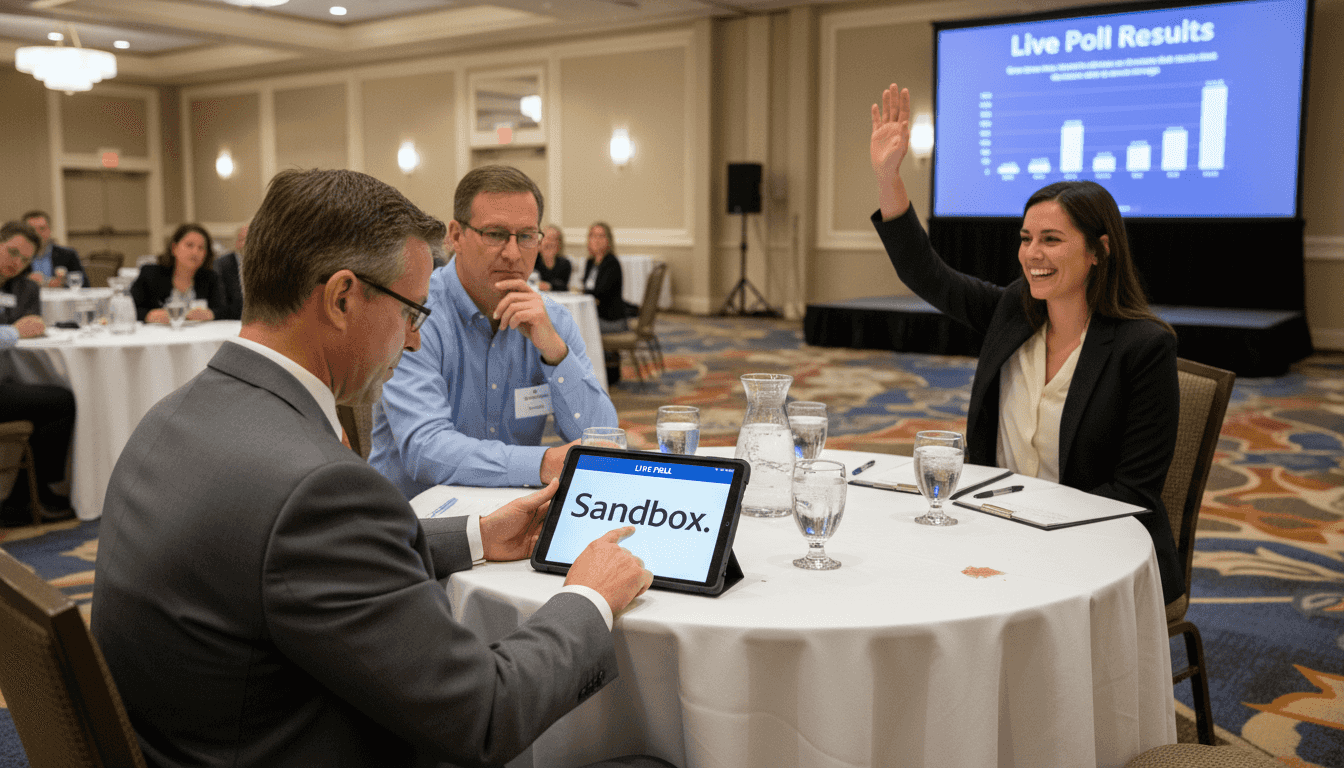
Deploy AI-powered networking tools that analyze attendee profiles and interaction history. Hyper-personalization using AI and CRM data can increase networking acceptance rates by 45% and connection rates by nearly 55%. Smart introductions based on mutual interests and complementary goals drive meaningful conversations.
Live engagement tactics that work:
- Interactive polls during keynotes with real-time results displays
- Leaderboards tracking session attendance, networking connections, and content downloads
- Live social walls aggregating attendee posts and reactions
- Dynamic session recommendations based on expressed interests and behavior
- Instant feedback mechanisms after each session
Enable flexible participation through event apps. Attendees should customize schedules on the fly, bookmark content for later review, and connect with peers seamlessly. Rigid agendas kill engagement.
Prioritize accessibility features. Live captioning, screen-reader friendly content, and hybrid options are essential for inclusive engagement and deeper connections. Universal design benefits everyone, not just those with specific needs.
Create immersive environments blending technology with storytelling. Use stage design, lighting, and multimedia to reinforce key messages. Attendees remember experiences, not bullet points.
Pro Tip: Balance digital tools with face-to-face interaction. Too much screen time during live events causes technology fatigue and reduces energy levels. Use apps to facilitate connections, then get people talking in person.
Optimizing post-event follow-up and pipeline integration
The event ends, but engagement accelerates. Post-event follow-up separates average programs from revenue-driving growth channels.
Start by aggregating all interaction data into a unified view. Session attendance, content downloads, networking connections, poll responses, and app activity paint a complete picture of attendee intent. Score leads based on engagement depth and behavioral signals.
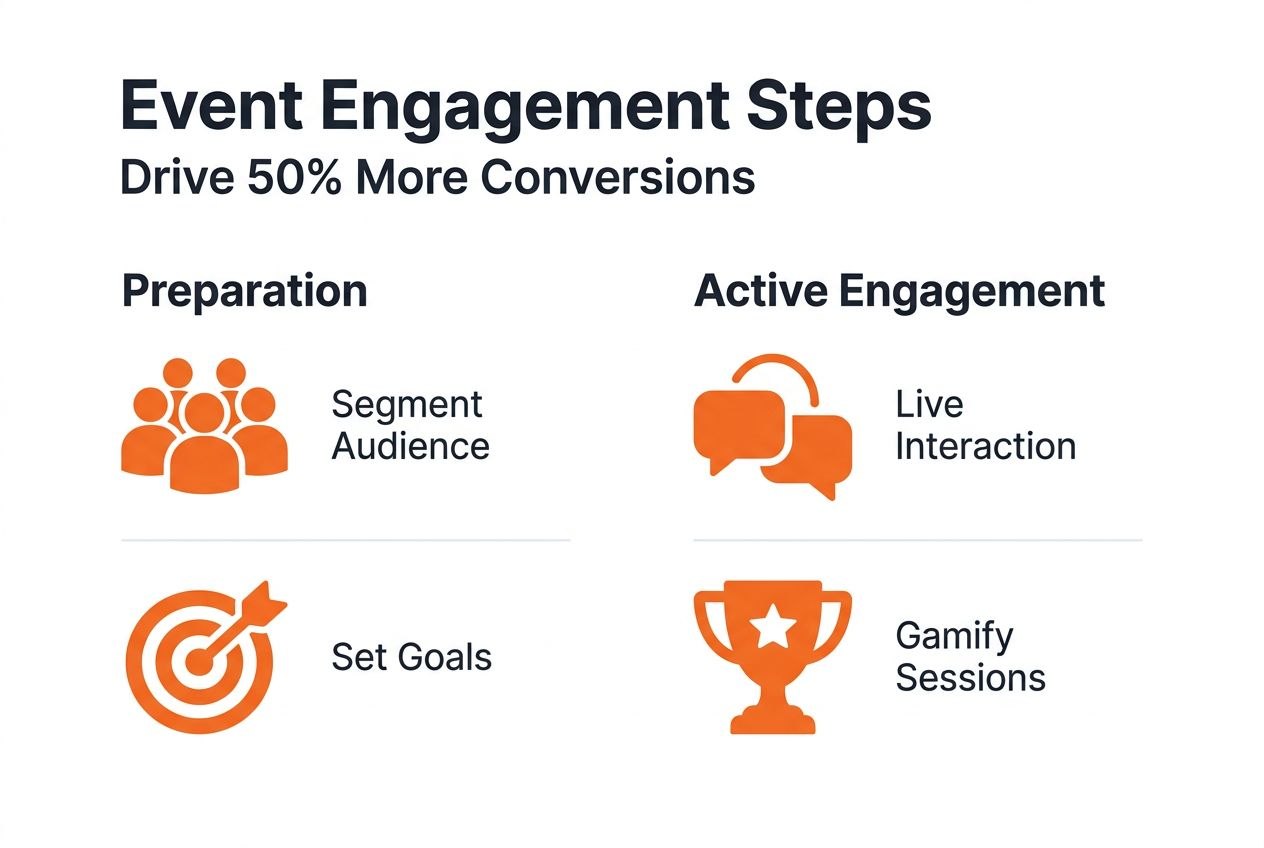
Prioritize follow-up ruthlessly. High-intent attendees who engaged deeply across multiple touchpoints deserve immediate, personalized outreach. Low-engagement participants receive nurture sequences focused on education and value delivery.
Post-event execution framework:
- Immediate thank-you message (within 24 hours) with session recordings and resource links
- Personalized follow-up (within 48 hours) from relevant sales or account team members
- Targeted content series (weeks 1-4) aligned to expressed interests and engagement patterns
- Quarterly check-ins maintaining relationship momentum
Integrate event data directly into CRM and marketing automation platforms. Investment in technology that integrates real-time attendee interaction data with GTM workflows improves lead qualification and measurable pipeline contribution.
| Follow-up Timing | Action | Expected Response Rate |
|---|---|---|
| 24 hours | Thank-you + resources | 60-70% open rate |
| 48 hours | Sales outreach (high-intent) | 35-45% meeting booking |
| Week 1 | Targeted content delivery | 25-30% engagement |
| Week 2-4 | Multi-touch nurture sequence | 15-20% progression |
Measure pipeline impact continuously. Track opportunity creation, advancement, and close rates attributed to event participation. Calculate cost per qualified lead and customer acquisition cost for accurate ROI assessment.
Pro Tip: Use behavior-based triggers for follow-up sequences instead of time-based delays. An attendee who downloads three whitepapers signals higher intent than calendar timing alone reveals. Respond to actions, not arbitrary schedules.
Troubleshooting common mistakes and failures
Even experienced event marketers fall into predictable traps that undermine engagement and pipeline contribution. Recognizing these patterns early prevents wasted effort and disappointing results.
Generic messaging kills response rates. Broadcasting identical invitations, session reminders, and follow-up emails ignores the personalization attendees expect. Segment ruthlessly and tailor every touchpoint.
Overlong passive sessions drain attention and satisfaction. Thirty-minute presentations with no interaction lose audiences after ten minutes. Break content into shorter segments with polls, Q&A, or discussion.
Weak post-event communication leads to rapid disengagement. Attendees who felt connected during the event forget you exist within weeks if follow-up lacks consistency and value. Sustained multi-touch sequences maintain momentum.
Excessive digital use during live events causes technology fatigue. Asking attendees to constantly check apps, scan QR codes, and interact with screens creates frustration instead of engagement. Balance digital and human elements.
Critical errors to avoid:
- Broadcasting identical messages to all attendee segments
- Scheduling sessions longer than 20-25 minutes without interaction breaks
- Failing to follow up within 48 hours of event conclusion
- Overloading attendees with simultaneous digital engagement requests
- Maintaining data silos that prevent comprehensive behavior analysis
Data silos undermine visibility into complete attendee journeys. When registration, app usage, and CRM data live in separate systems, you miss critical patterns and delay responses. Integrate everything into a single source of truth.
Fix these issues by auditing your current process against best practices. Identify gaps, prioritize fixes based on impact, and implement changes systematically across future events.
Expected results and measuring success
A well-executed engagement process delivers measurable business impact across multiple dimensions. Understanding these outcomes helps you set realistic targets and demonstrate ROI to stakeholders.
Events with higher attendee engagement close deals faster, reducing sales cycles by 20 to 30 days. Engaged prospects move through pipeline stages faster because they understand your value proposition and trust your expertise.
Pipeline contribution becomes substantial. Leading event programs attribute at least 50% of closed deals to event attendance and engagement. Your event strategy shifts from cost center to revenue driver.
Attendee retention improves dramatically. Multi-phase engagement spanning pre-event through post-event follow-up increases year-over-year participation by over 30%. Loyal attendees become brand advocates.
Key performance indicators to track:
- Registration conversion rate by audience segment
- App download and active usage rates
- Average session attendance and engagement scores
- Networking connections made per attendee
- Content download and sharing frequency
- Post-event survey response and satisfaction scores
- Lead scores and progression rates
- Pipeline velocity and deal size for event-sourced opportunities
- Customer acquisition cost compared to other channels
| Metric Category | Before Optimization | After 6 Months |
|---|---|---|
| Sales cycle length | 90 days | 60-65 days |
| Event-attributed deals | 25% | 50%+ |
| Year-over-year retention | 40% | 70%+ |
| Cost per qualified lead | $450 | $280 |
"Events transformed from expensive logistics exercises into our highest-performing demand generation channel. The structured engagement process gave us visibility into attendee intent we never had before, cutting our sales cycles by a full month." - VP Marketing, Enterprise SaaS Company
Calculate ROI by comparing total event costs against pipeline value and closed revenue attributed to attendee engagement. Include both direct costs (venue, catering, technology) and indirect investments (team time, content creation, promotion).
Benchmark results against industry standards and your own historical performance. Continuous improvement matters more than perfection. Each event cycle should show measurable gains in engagement depth and business impact.
Discover technology solutions to elevate your event engagement in 2026
You've learned the frameworks and tactics that drive measurable event success. Executing this level of engagement requires purpose-built technology that connects every touchpoint to revenue outcomes.
Sandbox GTM event engagement platform captures high-intent moments across meetings, content, and live interactions, turning event activity into actionable pipeline signal. You'll understand who to follow up with, why they matter, and what to do next through integrated workflows that connect directly to your CRM and marketing automation.
Whether you're launching your first focused program or scaling a flagship conference, professional-grade tools make events accountable and repeatable. Gain real-time visibility into attendee behavior, automate personalized follow-up sequences, and measure direct pipeline contribution through built-in analytics dashboards.
Frequently asked questions about event attendee engagement process
What tools are essential for managing attendee engagement?
You need integrated CRM, event management platforms with real-time data capture, mobile apps supporting interaction and networking, and marketing automation for multi-touch follow-up. Analytics dashboards connecting engagement activity to pipeline outcomes complete the stack.
How can personalization improve attendee participation?
Personalized messaging based on interests, role, and past behavior increases open rates, session attendance, and networking connections significantly. Tailored content recommendations and smart introductions make participation relevant and valuable, driving deeper engagement than generic approaches.
What metrics best measure event engagement success?
Track session attendance rates, networking connections per attendee, content download frequency, app usage depth, post-event survey scores, and pipeline impact metrics including lead progression and deal velocity. Combined, these indicators show both behavioral engagement and business outcomes.
How do you maintain engagement after the event ends?
Deploy behavior-triggered follow-up sequences delivering personalized content aligned to expressed interests. Immediate thank-you messages, timely sales outreach for high-intent attendees, and sustained nurture campaigns prevent disengagement. Integrate event data into ongoing marketing workflows.
What is a common mistake to avoid in event follow-up?
Broadcasting identical follow-up messages to all attendees regardless of engagement level wastes opportunities and frustrates prospects. Segment by behavior, personalize outreach based on specific interactions, and prioritize high-intent attendees for immediate sales engagement while nurturing lower-intent participants.